Lifestyle
The Crushing Burden of Foster Care Debt: A Mother's Unending Struggle
Annalinda Martinez's story is a harrowing tale of the harsh realities faced by parents navigating the child welfare system. When a family crisis led her to seek help from the Georgia Division of Family and Children Services, she never imagined the devastating consequences that would follow - the loss of her children and the crippling financial burden of paying for their foster care. This article delves into the little-known practice of states charging parents for the cost of their children's foster care, and the profound impact it has on families already struggling to stay afloat.Facing the Unthinkable: A Mother's Heartbreak and the Crushing Debt That Follows
A Cry for Help, a Family Torn Apart
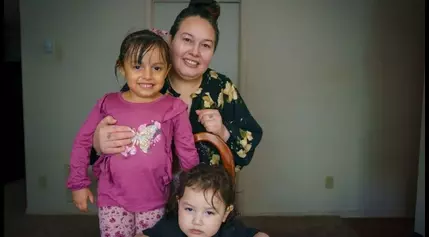
Annalinda Martinez's life was turned upside down when she discovered her ex-boyfriend was abusing her daughter. After testifying against him and securing his arrest, Martinez found herself in an unimaginable predicament – without his income, she could no longer afford their rent, and her family was evicted. With nowhere else to turn, Martinez reached out to the Georgia Division of Family and Children Services, hoping they could provide resources for housing. Little did she know, this decision would change the course of her life forever.On that fateful day, Martinez's six children were taken into foster care, an act she describes as "kidnapping" her kids. Overwhelmed by the unfairness of the situation, Martinez became defiant, refusing to cooperate with the caseworkers. This only served to exacerbate the situation, as she soon learned that the state was charging her 0 per month for her children's foster care – a burden she could not bear.Surrendering the Unimaginable: A Mother's Painful Decision
Faced with the impossible choice of paying for foster care or regaining custody of her children, Martinez made the heartbreaking decision to surrender her parental rights. The day she walked into the courthouse, she knew it would be the most painful moment of her life. "I just felt like my world had just ended," she recalls, the anguish still palpable in her voice.Martinez's story, however, did not end there. Grappling with the loss of her children, she turned to drugs, a desperate attempt to numb the pain. This led to the birth of her youngest daughter, who was then taken into foster care as well. It was this event that finally sparked a shift in Martinez's perspective, prompting her to take responsibility for her actions and embark on a journey of rehabilitation and personal growth.Climbing Back: A Mother's Redemption and the Persistent Burden of Debt
Over the years, Martinez has worked tirelessly to regain stability in her life. She has been sober for several years, living with her longtime boyfriend and caring for her youngest son and daughter, both of whom have been returned to her custody. Despite her progress, the financial burden of the child support payments she owes the state continues to loom over her.The state has increased the amount she owes to a staggering 2 per month, with interest driving the total monthly bill over 0. Martinez has never been able to afford these payments, and the consequences have been severe – her license has been suspended, her passport revoked, and now, she faces the threat of incarceration if she doesn't pay a portion of the nearly ,000 in arrears.A System Failing the Very Families It Seeks to Protect
The practice of charging parents for the cost of their children's foster care has come under increasing scrutiny in recent years. Experts have highlighted the inherent flaws in this policy, noting that it often serves to further destabilize families who are already struggling to make ends meet."They're extremely costly to the state, and they don't actually result in the outcome that we want, which first and foremost is for parents to be good parents, safe parents to their kids," said Jill D. Berrick, a professor at the University of California-Berkeley and an expert in these policies.Judge Michael Key, the chair of the Georgia Child Support Commission, echoed these sentiments, stating that "To put her in a position where she can't afford to take care of those children and they would take the children away, makes no sense to me at all." The disruption of another family, he argues, is not in the best interest of the children.A Glimmer of Hope: Georgia's Policy Shift and the Ongoing Struggle
In 2022, the federal government recommended that states stop pursuing these payments for foster care except in rare circumstances, a move that has led several states, including Washington, Michigan, and California, to end or dramatically cut back this practice. This past August, Georgia joined them, updating its policy to limit how often it seeks this child support.However, the change only affects future cases, leaving parents like Martinez still grappling with the consequences of a system that has seemingly failed them. According to state data, around 4,000 parents in Georgia are still on the hook for these child support bills, which can follow them long after their cases with the foster care system have closed.For Martinez, the threat of losing her children again looms large. "The last thing I want is for my kids to be taken again because I can't pay child support," she says, the fear palpable in her voice. With no legal assistance available to change the amount she owes, and the debt continuing to grow, Martinez knows this burden may be with her for the rest of her life.As Georgia and other states work to reform their policies, the stories of families like Martinez's serve as a stark reminder of the urgent need for change. The child welfare system must prioritize the wellbeing of children and their families, not saddle them with crippling financial burdens that only serve to exacerbate the very problems it seeks to address.